Transfer Switch Installation & Repair in Sioux Falls, SD
The part that makes standby power safe, legal, and automatic — installed new or fixed when it stops doing its job.
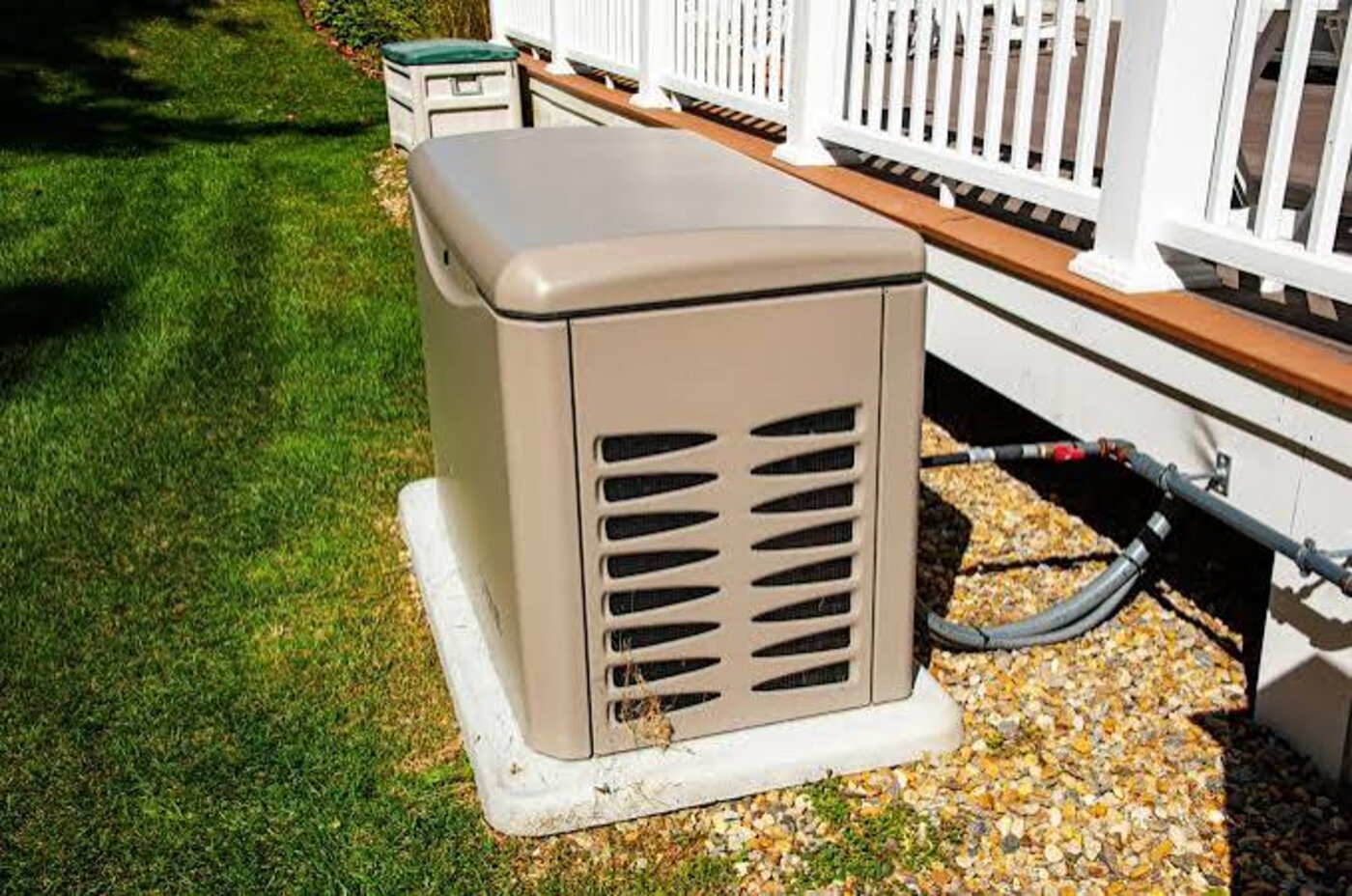
Why a Transfer Switch Matters
An automatic transfer switch is what makes standby power safe and legal — it isolates your home's electrical panel from the grid the instant your generator kicks on, protecting utility line workers and preventing damage to your generator. Without one, a generator can "back-feed" power onto grid lines, which is dangerous and against code.
Most Generac home standby units are paired with Generac's own automatic transfer switch. See Generac generator installation in Sioux Falls for how the full system goes together.
We also install manual transfer switches for homeowners pairing a portable generator with select circuits instead of a full standby system.
- Automatic transfer switches for whole-home standby systems
- Manual transfer switches for portable generator setups
- Panel compatibility assessment and upgrades if needed
- Code-compliant wiring and inspection
Which Transfer Switch Do You Need?
Automatic Transfer Switch
Pairs with a whole-home standby generator. Detects an outage and switches your home to generator power within seconds — no one has to be home to flip anything.
Manual Transfer Switch
Pairs with a portable generator. You select which circuits get power and start the transfer by hand — a lower-cost option for essential-circuits-only backup.
Transfer Switch Repair & Troubleshooting
A transfer switch is a mechanical and electrical part — like anything else with contacts and a control board, it can wear out or fail, usually well before the generator itself does. Here's what we see most often on service calls in Sioux Falls.
Generator Runs, Power Doesn't
The most common call: the generator starts and sounds fine, but the house never switches over to it. That almost always points to the transfer switch, not the generator.
Stuck on Utility or Generator Power
A switch that won't transfer back to utility power once it's restored — or won't transfer to generator power at all — is usually a stuck contactor or a failed control board.
Corrosion & Age
Older switches, especially ones mounted outside or in an unheated garage, are prone to corroded contacts after enough winters of condensation and temperature swings.
Failed Weekly Self-Test
If your generator's built-in self-test throws an error tied to the transfer mechanism rather than the engine, that's an early warning worth having looked at before the next real outage.
Humming or Buzzing Relay
An audible hum or buzz from the switch enclosure usually means a relay or contactor that's struggling to fully engage — worth a diagnostic visit before it fails outright.
Repair vs. Replace
Newer switches with a bad relay, contactor, or board are often repairable. Older units — or ones where the manufacturer no longer stocks parts — are usually a better value to replace. We'll tell you which applies to yours.
A failed transfer switch means your generator can be running perfectly and your house still loses power — if that's happening right now, call us and we'll prioritize it as an active outage.
Get a Repair QuoteTransfer Switch FAQ
My generator runs but my house doesn't switch over — is that a transfer switch problem?
That's one of the most common transfer switch symptoms we see. If the generator itself starts and runs fine but power never reaches the house, the issue is usually in the transfer switch's control board, relay, or wiring rather than the generator. We diagnose it on-site rather than guessing over the phone.
Can a transfer switch be repaired, or does it need full replacement?
It depends on age and what failed. A bad relay, contactor, or control board can often be repaired or swapped on newer switches. Older switches, or ones where parts are no longer available, are usually more cost-effective to replace outright — we'll give you a straight answer on which makes sense after inspecting it.
How fast can you get out for a transfer switch repair during an outage?
We prioritize active outage calls. A failed transfer switch during a storm means your generator can't do its job even though it's running, so we treat those calls with the same urgency as a generator that won't start at all.
What causes a transfer switch to fail in South Dakota's climate?
Cold-weather condensation and corrosion on older contacts is the most common issue we see locally, along with relays that wear out after years of weekly self-tests. Switches installed outdoors or in unheated garages see this more than ones in conditioned space.
Not Sure What Your Setup Needs?
We'll walk your panel and generator setup and tell you straight what's required — whether that's a new install or a repair.
Call (605) 702-6227 Request a Quote